
Forklift Training
A Brief Guide to Operating a Stand-Up Forklift
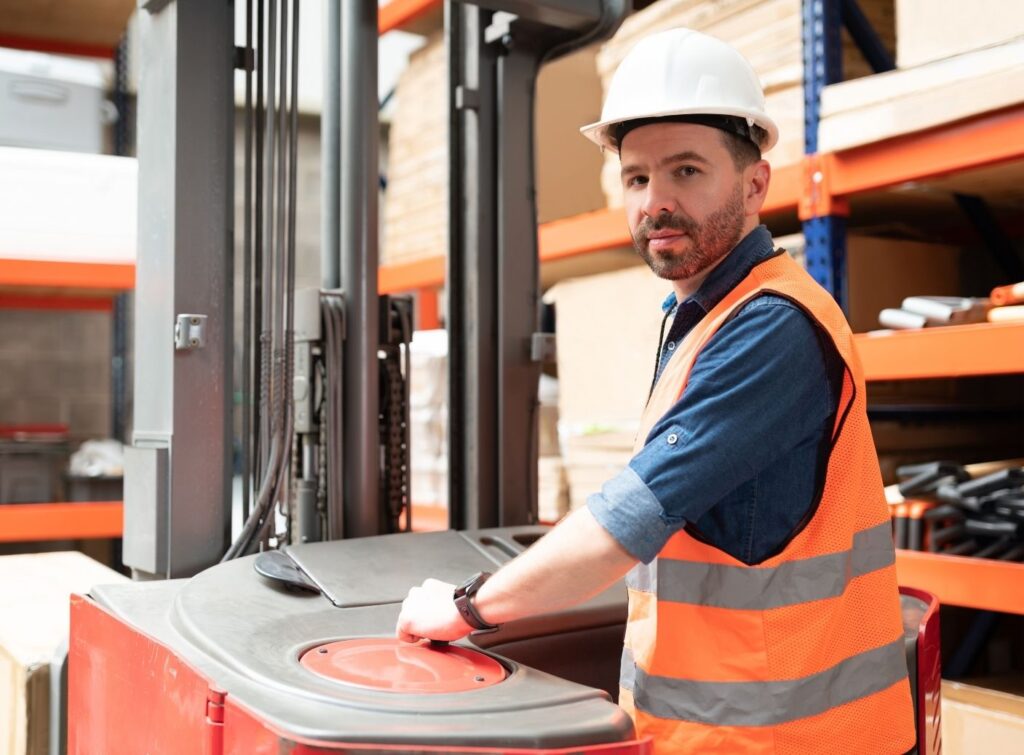
Mar
Before operating a forklift, you need to know how to maintain the machine. In addition, as you go and your workers go through training, it’s essential to know how a forklift machine works. Here’s a brief guide to operating a stand-up forklift.
The Differences Between a Operating a Stand-Up Forklift and Sit-Down Forklift
As workers transition through different forklift certifications, there’s a chance they’re more familiar with operating sit-down forklifts. However, even though both types have similar principles regarding handling, they have different controls.
For starters, many sit-down forklifts have a system similar to a car—a steering wheel and pedals. A stand-up forklift uses a wheel to steer and has and a joystick to control the direction of the forklift. Aside from those key differences, another is size. A stand-up forklift appears smaller and makes sharper turns. Additionally, they have better visibility when traveling backward.
Operating a Stand-Up Forklift
As we said previously, both forklifts differ in some ways, such as size, the operation types, and how different they are when backing up. There are four key steps to learn and know before using a stand-up forklift.
Inspect the Lift
Like other forklifts, you need to start with a maintenance check. Every time a forklift driver uses a stand-up forklift, they need to do an inspection.
Some things to check before starting include:
- Check wheels
- Check the fluid levels
- Check charge levels
- Check the forks and mast
- Ensure safety lights are working
Securing the Load
Before engaging the load check to see that the load is secured. The fork width needs to equally support the load and the length should extend at least 2/3 of the length of the pallet. To help keep the load stable, tilt the forks back slightly.
As you lift the load, don’t extend the mass to its full height, carry the load within a few inches of the ground. Carrying the load too high will cause the lift truck to become unstable and can tip the forklift. If you don’t have a load, be sure you don’t have the forks tilted excessively down, this could cause safety issues when traveling.
Operating a Stand-Up Forklift
First, turn the key. Wait for the system check. Then, as you tilt the control handle forward, the machine moves. The movement happens fast, so ensure you push gradually to unsafe travel speeds.
Steering
Steering a stand-up forklift is significantly different from operating a sit-down forklift, and understanding this distinction is crucial for safe and efficient operation. Unlike sit-down models, stand-up forklifts often have a tighter turning radius, which allows for maneuvering in smaller spaces. Operators must be aware of their surroundings and anticipate the forklift’s movements to avoid collisions.
It is vital to focus on the steering control to maintain full control when operating a stand-up forklift. Additionally, operators should practice smooth steering motions to ensure stability, especially when carrying loads. Rapid or jerky movements can lead to tipping or loss of control. Training programs should emphasize the unique steering dynamics of stand-up forklifts and provide ample practice time. Ultimately, mastering the steering technique on a stand-up forklift can enhance productivity and safety in warehouse environments. Being mindful of the differences in handling these forklifts is essential for efficient operation.
Why You Need Training
After learning how to operate a stand-up forklift, now it’s time to learn more about this type and the class it comes from. For more additional ways to build your current knowledge, purchase a forklift training kit for you and your workers.
First Quality Forklift Training provides many ways for employees to learn their way around the stand-up forklift and the many other forklift types. Contact us here for more information on our forklift certification kits.
Some additional articles that could be of help include: forklift certification requirements and OSHA Forklift Training .
