
Forklift Training
Tips for Operating a Forklift on a Construction Site
Apr
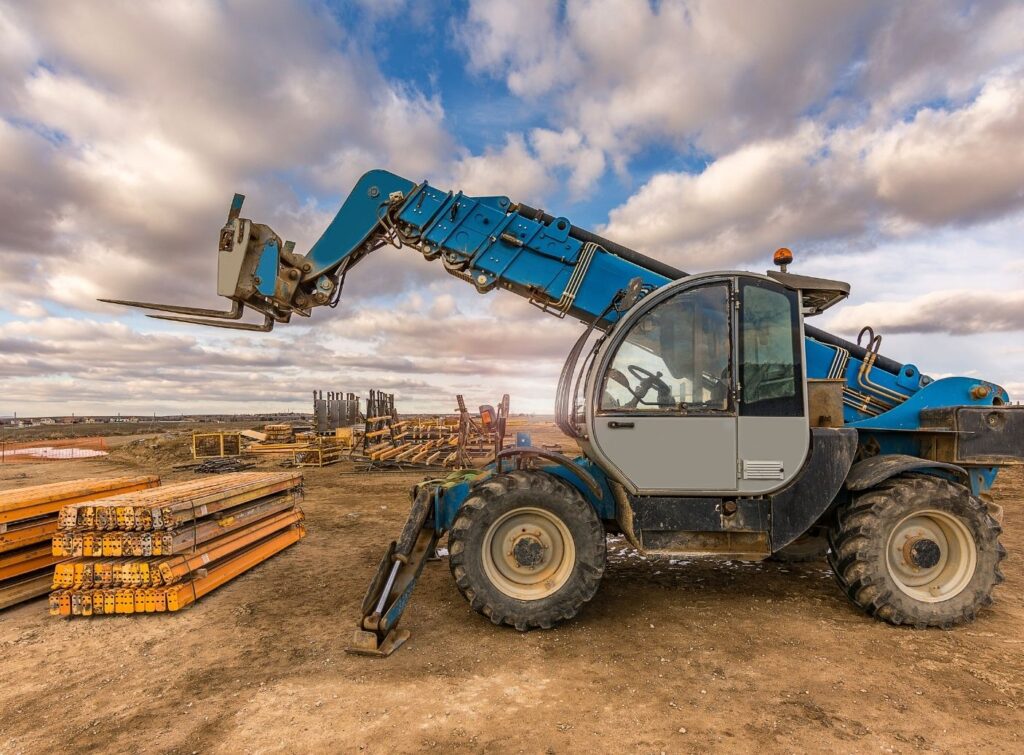
Forklift safety should always be the number one priority for all construction workers that are operating a forklift on a construction site. The reason it’s so vital to learn tips for operating a forklift safely on a construction site is that it ensures no one ends up in an accident. Here are more tips to know when driving a telehandler while operating a forklift on a construction site, especially when considering the guidelines for Operating a Forklift on a Construction Site. Remember, operating a forklift on a construction site requires constant attention to safety.
Wear a Seat Belt
When it comes to operating a forklift on a construction site, following proper procedures can greatly reduce risks and enhance efficiency. Ensuring the safety of all personnel on-site is paramount. One of the most critical safety measures is the use of seat belts. When working on any type of vehicle, including heavy machinery like forklifts, it’s essential to wear a seat belt to avoid falling out in the event of a crash.
OSHA’s current policy requires that if seat belts are provided on the equipment, they must be used at all times while operating. This regulation underscores the importance of adhering to safety protocols. Wearing a seat belt significantly reduces the risk of accidents. In the event of a collision or unexpected movement, the seat belt ensures that operators remain securely within the vehicle, preventing serious injuries or fatalities.
Additionally, adhering to this safety measure fosters a culture of responsibility on the job site. When team members see their colleagues buckling up, it encourages everyone to take similar precautions, ultimately leading to a safer work environment.
Moreover, familiarity with all safety features of the forklift, including seat belts, is necessary for efficient operation. Operators that will be operating a forklift on a construction site, should also receive proper training on how to use their equipment safely, including understanding the limits and capabilities of the forklift they are using. By prioritizing safety measures like seat belt use, operators can enhance not only their safety but also the overall efficiency and productivity of the job site.
Essential Tips for Operating a Forklift on a Construction Site
Understanding the rules and guidelines for operating a forklift on a construction site is essential for every operator.
Read Load Charts
While working on the lift, you need to learn that not every load chart is the same. For example, just because the advertised maximum weight is 10,000 pounds, that doesn’t mean that the lift can hold that much without tipping over. Understanding load charts is essential for safe forklift operation.
Many workers get confused by the advertised weight capacity and don’t realize that the capacity of the forklift changes depending on the attachment used, the height at which the load is being lifted, and the extent to which they are extending the boom to place or pick up a load. Each of these factors can significantly impact the stability of the forklift. When the boom extends, the forklift’s center of gravity changes, and the required weight of the lift increases accordingly. This shift can lead to an increased risk of tipping if the operator is not careful.
It’s critical to carefully examine the load chart displayed on the forklift before beginning any lifting operation. This chart includes vital information on the maximum load capacity at various heights and boom extensions. For instance, a forklift may be rated to carry 10,000 pounds when the load is close to the ground. However, as you lift the load higher or extend the boom farther out, that capacity can drop dramatically.
To avoid tipping, always pay attention to the amount of weight you place on the forks. It’s also vital to ensure that the load is balanced and secured properly. A load that is uneven or not tied down can shift during movement, further increasing the risk of an accident.
In conclusion, understanding and utilizing load charts correctly is crucial for safe forklift operation. Always refer to the load chart for your specific model and consider all variables before lifting any load. Follow these guidelines to ensure you operate your forklift safely and efficiently, protecting both yourself and your coworkers on the job site.
Perform Inspections
Regular inspections are a crucial part of operating a forklift on a construction site, ensuring all equipment is in top working condition.
It’s vital to inspect the worksite before entering the area with a forklift. Telehandlers are big, and they have many more blind spots than other classes of forklift. Before driving the forklift into the designated area, you should take the time to walk the path you plan to follow. This pre-operation inspection helps identify potential hazards, ensuring a safer work environment for everyone involved.
Be mindful that operating a forklift on a construction site requires awareness of your surroundings and potential hazards.
Make sure to keep an eye out for any stationary objects or obstacles that may impede the safe operation of the forklift. If possible, remove these objects beforehand, as they could pose serious risks during operation. Common obstructions include pallets, machinery, and other equipment that may be left in the path of travel. Prioritizing a clear route reduces the likelihood of accidents, ensuring the safety of both the operator and bystanders.
Additionally, be cautious of any areas where the ground may not support the truck and its load. Inspect the surface conditions to determine if they are stable and level enough for safe operation. Soft ground, loose gravel, or uneven surfaces can lead to tipping or loss of control, compromising the safety of the operation. If you identify any unsafe areas, either avoid them or seek to reinforce the ground before proceeding.
It’s also essential to consider the visibility around the worksite. Forklifts have limited visibility due to their size and design, so it’s important to ensure that the operator has an unobstructed view of the surroundings. If necessary, clear away any visual barriers, such as stacked pallets or equipment.
Finally, take the time to assess the overall environment for other workers or vehicles that may be present. Creating a safety plan that includes communication signals, designated pathways, and safety zones will help all personnel stay aware and alert. By thoroughly inspecting the worksite and addressing these key areas, safe forklift operation, especially when operating a forklift on a construction site, becomes a more manageable task, ultimately promoting a safer and more efficient workplace.
Communicating effectively with your team while operating a forklift on a construction site can prevent accidents.
Know Your Terrain
Something that operators often get wrong is that they don’t fully understand that there isn’t a “one shoe fits all” scenario when it comes to forklifts. Understanding the terrain is crucial for safe and efficient operation. The correct choice of forklift and its setup should be tailored to the specific conditions in which it will be used. For example, certain telehandlers are designed to excel on smooth to rocky surfaces, where they can maneuver effectively and perform their tasks with ease. However, when faced with muddy or uneven terrain, these machines may struggle, potentially leading to accidents or operational delays.
In addition to understanding the terrain, being knowledgeable about operating a forklift on a construction site can lead to better safety practices.
In some cases, operators may find themselves in challenging situations where their machines become trapped in mud or other soft materials. This not only hinders productivity but can also pose safety risks for the operator and those nearby. To avoid such predicaments, it is essential to conduct a thorough assessment of your surroundings before moving the forklift and its load. This involves observing the ground conditions, identifying any potential hazards, and determining the best path to take.
Additionally, operators should be familiar with the specific capabilities and limitations of their equipment. Each forklift model has unique features that may make it more or less suitable for specific terrains. By selecting the right machine and being conscientious about the terrain, operators can enhance their efficiency while minimizing the risk of accidents. Proper terrain evaluation is not merely a suggestion; it is a fundamental aspect of forklift operation that contributes to overall safety and effectiveness in the workplace. Whether you are transporting materials across a warehouse floor or navigating an outdoor job site, knowing your terrain can lead to better decision-making and improved operational success.
Ultimately, the key to successful operations is knowing the ins and outs of operating a forklift on a construction site.
Now that you know a few more tips for operating a forklift safely on a construction site, you can start operating smarter. Get yourself and your workers involved in inspecting the worksite and inspecting your lifts often.
By applying what you’ve learned about operating a forklift on a construction site, you can ensure a safer working environment.
First Quality Forklift Training provides programs that help operators learn more about the telehandler’s class and what to expect when driving this type of machine. For more information on our forklift certification training class, contact us here.

Thanks for sharing the tips for operating a forklift on a construction site. These are really useful.
Before using forklifts on a construction site, it is important to plan the project carefully, assign tasks, and ensure that work processes are monitored.The best way to ensure maximum safety on a construction site is to make sure that all preparations have been made with safety and efficiency in mind.
I didn’t have any expectations concerning that title, but the more I was astonished. The author did a great job. I spent a few minutes reading and checking the facts. Everything is very clear and understandable. I like posts that fill in your knowledge gaps. This one is of the sort.
This article provides valuable tips for operating a forklift safely and efficiently on a construction site.