
Forklift Safety
How to Meet OSHA Forklift Inspection Requirements
Nov
Forklift Inspection
The Occupational Safety and Health Administration (OSHA) plays a crucial role in establishing worker safety standards across various industries. These regulations are designed to ensure that all companies adhere to a uniform set of safety rules, promoting a safer work environment for employees nationwide. Regardless of the job type, OSHA’s standards cover a wide range of safety concerns, from equipment handling to hazardous materials management. Once these regulations are established, OSHA is responsible for monitoring compliance among businesses, conducting regular inspections, and providing necessary training and resources to help organizations meet safety requirements. When companies fail to adhere to these safety standards, OSHA has the authority to impose fines and penalties, serving as a deterrent against non-compliance. By enforcing these regulations, OSHA strives to protect the health and well-being of workers, ensuring that they can perform their jobs without unnecessary risks to their safety.
We will cover the inspection of powered industrial trucks specifically. In this case, OSHA will perform a visual inspection and document their findings. As such, you must teach these rules to employees who receive forklift, reach truck, pallet jack or narrow aisle forklift training.
Conduct a Visual Check
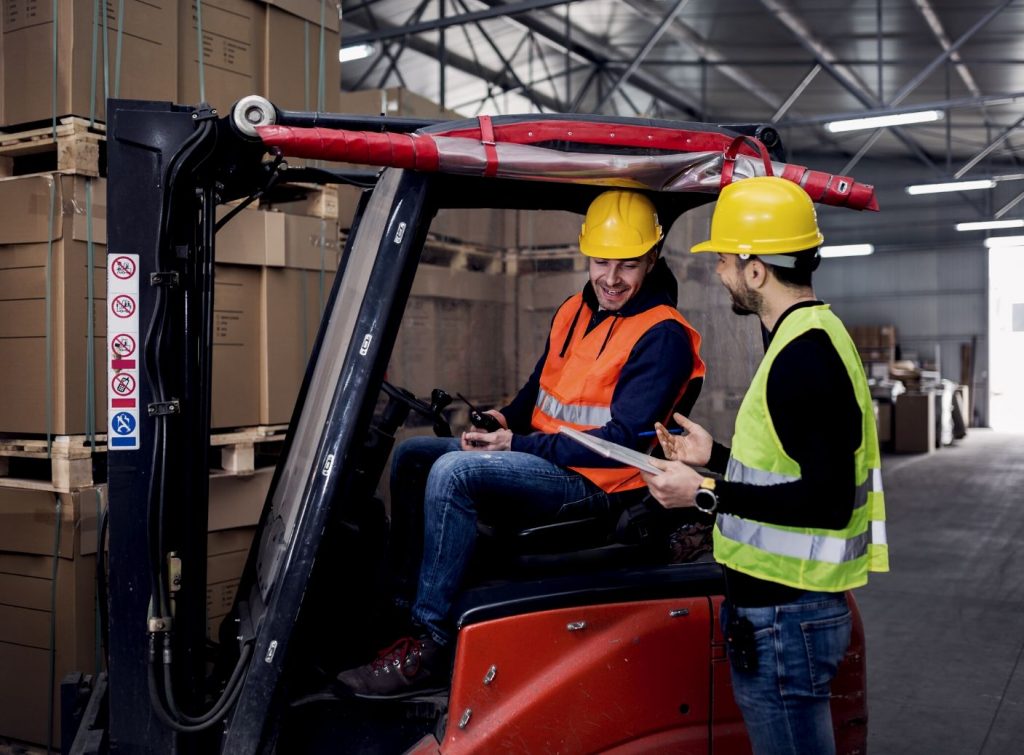
It is a critical requirement that every employee conducts a thorough visual inspection before operating a forklift. This process, forklift inspection, is vital for ensuring the safety and efficiency of the equipment. If the forklift is used across multiple shifts, it is essential to perform the forklift inspection before the start of each shift. During the visual inspection, employees should carefully check for any broken or malfunctioning systems that could compromise the safety of the machine. Always conduct the forklift inspection with the engine turned off, as this allows for a more thorough examination of potential issues without the distractions of running machinery.
Begin the forklift inspection by checking the fluid levels, including oil, water, and hydraulic fluids, to ensure they are at appropriate levels. Look for any cracks, leaks, or signs of wear in the hoses and other components, as these can lead to significant issues if left unaddressed. It is essential to examine the tires for proper inflation and tread wear, as well as to verify that all safety devices, such as lights and horns, are functioning correctly. The main goal of this visual inspection is to identify any potential problems that could prevent the forklift from operating safely and efficiently, thereby protecting the operator and others in the work environment.
Conduct Operating Inspection
After completing the visual check, turn the truck on to continue the thorough inspection process. It’s essential to check all the controls, both hand and foot, to ensure they operate correctly and efficiently. Begin by raising the forks to confirm their functionality and then proceed to test the brakes. Engaging the brakes should provide a firm and responsive action, indicating they are in good condition. Make sure to beep the horn to ensure it’s operational, as this is crucial for safety during operation.
You need to meticulously look over every feature and function of the forklift, including emergency controls, lights, and safety devices. If any of the controls malfunction or cease to work as intended, it is imperative to take immediate action. Park the truck out of service and do not operate it until all systems are confirmed to be in working order. Repairing any defective elements must be prioritized to maintain a safe workplace. Regular inspections and maintenance can prevent potential accidents and ensure the longevity of the equipment. Always prioritize safety and efficiency with your forklift operations to minimize risks on the job site.
Document the Inspections
OSHA does not require you to document the forklift inspection, but it’s a good idea. In the event of an accident that leads to injuries, OSHA may audit the company’s safety practices. In this instance, having documented proof of the daily inspections and who performed them will come in handy. The daily documentation also helps the operator remember everything they need to inspect. A list containing all the areas to check will aid them and ensure they look over all necessary components.
To learn more on the importance of performing a pre-operation inspection check out the article Why Daily Forklift Inspections Are Important
